
Storm & Hail Damage Roof Repair in Washington Township
Photographs and a written scope setting out exactly what the wind or the hail left behind, slope by slope.
What wind and hail leave behind
Storm damage is often invisible from the ground. Hail bruises the mat beneath the granules without breaking the shingle, and wind lifts and reseats courses so they look untouched while the seal strip underneath has gone. Both shorten the life of the roof quietly. An assessment after a significant storm is worth having even when nothing obvious has come off.
What the assessment covers
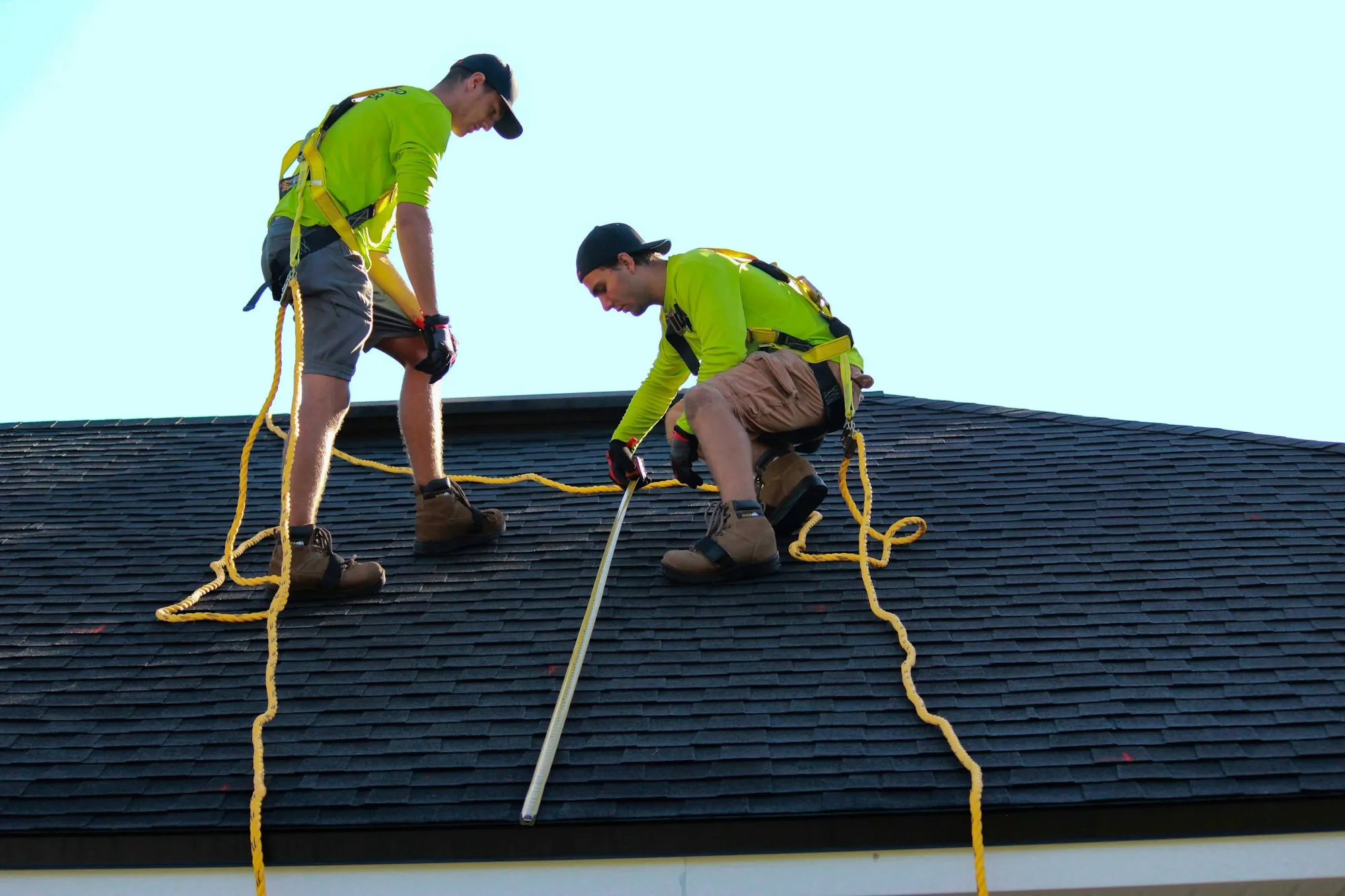
Slope-by-slope photographs
Each elevation recorded separately, because hail arrives at an angle and rarely marks all four the same way.
Granule loss and mat bruising
The marks that show a shingle has been struck hard enough to shorten its life, even where it has not split.
Lifted and unsealed courses
Shingles that wind has broken free of their seal strip and that will lift again in the next blow.
Flashing, vents and gutters
Dented metal, displaced ridge vents and gutters pulled off their hangers are all part of the same event.
A written scope of works
Set out so it can be read alongside an insurer's own paperwork without translation.
Questions about this work
Do you deal with the insurance company for me?
We document the damage thoroughly and give you a written scope and photographs to support your claim. The claim itself stays between you and your insurer, and we will not tell you what an adjuster will decide.
How quickly should a roof be looked at after a storm?
Sooner is better, because the damage that matters most is the kind you cannot see and that lets water in gradually. There is no charge for the look, so there is little reason to wait for a symptom.
Have the storm damage recorded properly
Photographs, a written scope and a straight account of what the weather did.